



Reduce Your Eco Footprint by Rethinking How You Shop
Every product you own has a backstory you never see. What the materials are, how they're made, and the waste generated when it is eventually discarded. Your ecological footprint is the sum of all those invisible costs, and for most people, it is larger than they think.
Earth Day is a good reminder to take stock of those costs, but the changes that actually move the needle are the ones you carry past April 22. The good news: reducing your footprint does not require a complete lifestyle overhaul. It requires better decisions at a few key moments. Here are the sustainable living tips that actually matter.

TL;DRReducing your eco footprint comes down to being intentional about what you buy and how long it lasts. Choose durable, transparently made products. Consider secondhand when it makes sense. The most effective changes are not dramatic lifestyle shifts; they are smarter purchasing decisions, repeated over time. |

What Is an Ecological Footprint (And Why Does It Matter)?
An ecological footprint measures the total demand your lifestyle places on the planet's resources, including the land, water, energy, and raw materials needed to produce the goods you consume and absorb the waste you generate. According to the Global Footprint Network, humanity currently uses 1.7 times more resources than the planet can regenerate in a year.
That number feels abstract until you break it down to individual choices. The clothes you buy, the bags you carry, the products you replace every year or two because they wore out: each one carries an environmental cost. Understanding that cost is the first step toward reducing it.
Here is the useful part: once you know where your biggest impacts are, you can target those first instead of trying to change everything at once. For most people, purchasing habits and product choices are the highest-leverage starting point.
How to Make Your Wardrobe More Sustainable
Fashion is one of the largest contributors to your personal eco footprint. The industry accounts for roughly 10% of global carbon emissions and requires about 2,000 gallons of water to make a pair of jeans. But the problem is not just production. It is the cycle of buying, wearing a handful of times, and discarding.
Sustainable fashion tips start with a shift in mindset: treat your wardrobe like a curated collection rather than a rotating inventory. Audit what you own. Identify what you actually wear versus what sits untouched. Build around versatile, durable pieces that work across multiple contexts rather than trend-driven items with a short shelf life. This is the capsule wardrobe idea in practice: fewer, better pieces that outperform a closet full of disposable alternatives on every metric, from cost per wear to environmental impact.

How to Reduce Fast Fashion Waste
Reducing fast fashion waste does not mean you stop buying clothes. It means you stop buying clothes designed to fall apart. Before any purchase, ask three questions: Will I wear this at least 30 times? Is it made from materials that will hold up? Can it be repaired, resold, or recycled at end of life?
If the answer to any of those is no, the item is not a bargain regardless of the price tag. Fast fashion's real cost is not what you pay at checkout. It is the replacement cycle it locks you into.
Where Secondhand Fits In
Here is a number that puts things in perspective: the EPA estimates that 11.3 million tons of textile waste ended up in U.S. landfills in a single year. Every item that stays in circulation is one less item in that pipeline.
When you buy secondhand clothes, you extend the useful life of a product that has already absorbed its manufacturing footprint. No new raw materials extracted. No new energy consumed in production. It is a solid option, particularly for categories where durability is already built in.
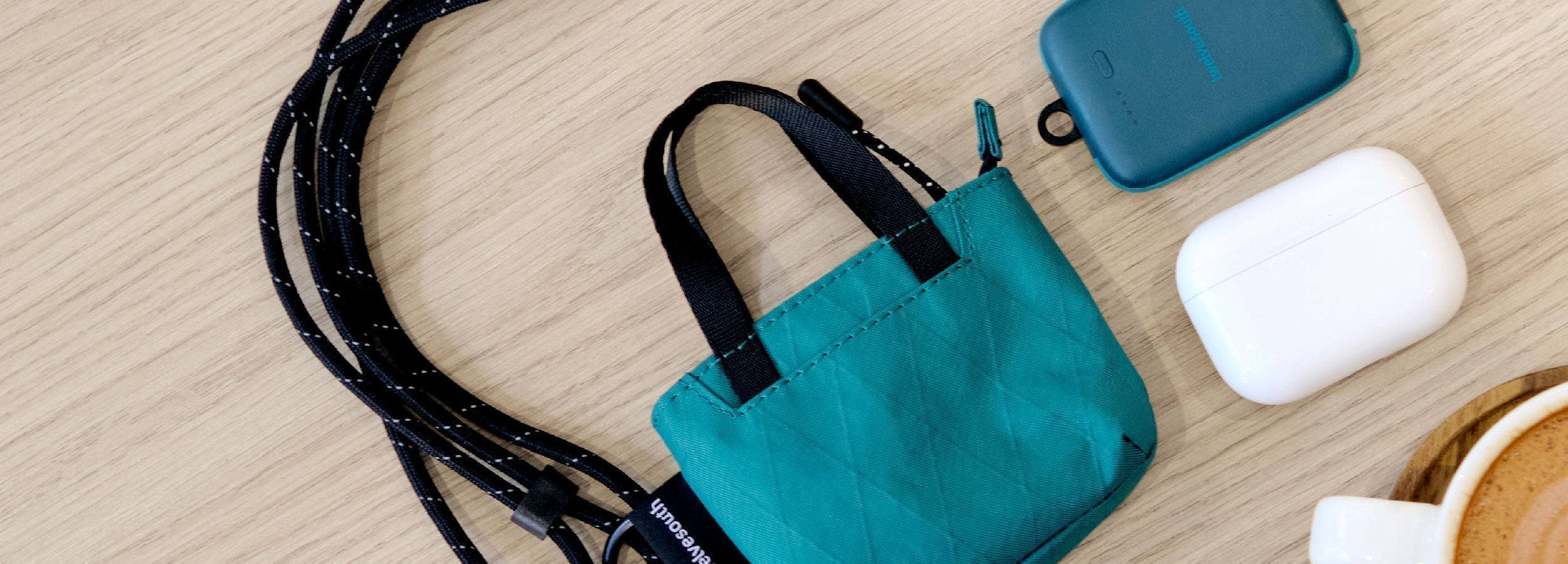
This applies beyond clothing. The secondhand carry marketplace has matured significantly over the past few years, with brands and platforms making it easier to buy and sell pre-owned bags, tech accessories, and everyday carry items. ALPAKA's Re:Carry marketplace (for people in the US) is one example: a dedicated resale platform where pre-owned bags find new owners rather than new landfills. Our Facebook community is also an active space where ALPAKA fans everywhere buy, swap, and sell gear with each other. It is a model that acknowledges that well-made products deserve more than one life.
Secondhand works best when paired with the right buying habits upfront. Products built to last hold their value, perform well for second and third owners, and keep the circular economy moving. Which brings us to the most important question: what should you look for when you do buy new?
What to Look for When You Buy New
Buying new is not the problem. Buying disposable is. Material sourcing, manufacturing processes, and product longevity are the three pillars that separate genuinely eco-friendly products from those that just claim to be.

Start with Materials
Recycled content is a meaningful differentiator, but not all recycled materials are equal. Look for transparency about what is recycled, at what percentage, and whether the product avoids harmful chemical treatments. PFAS-free products, for example, are increasingly important as awareness of the health and environmental risks of per- and polyfluoroalkyl substances (commonly called "forever chemicals") used in many water-resistant coatings grows.
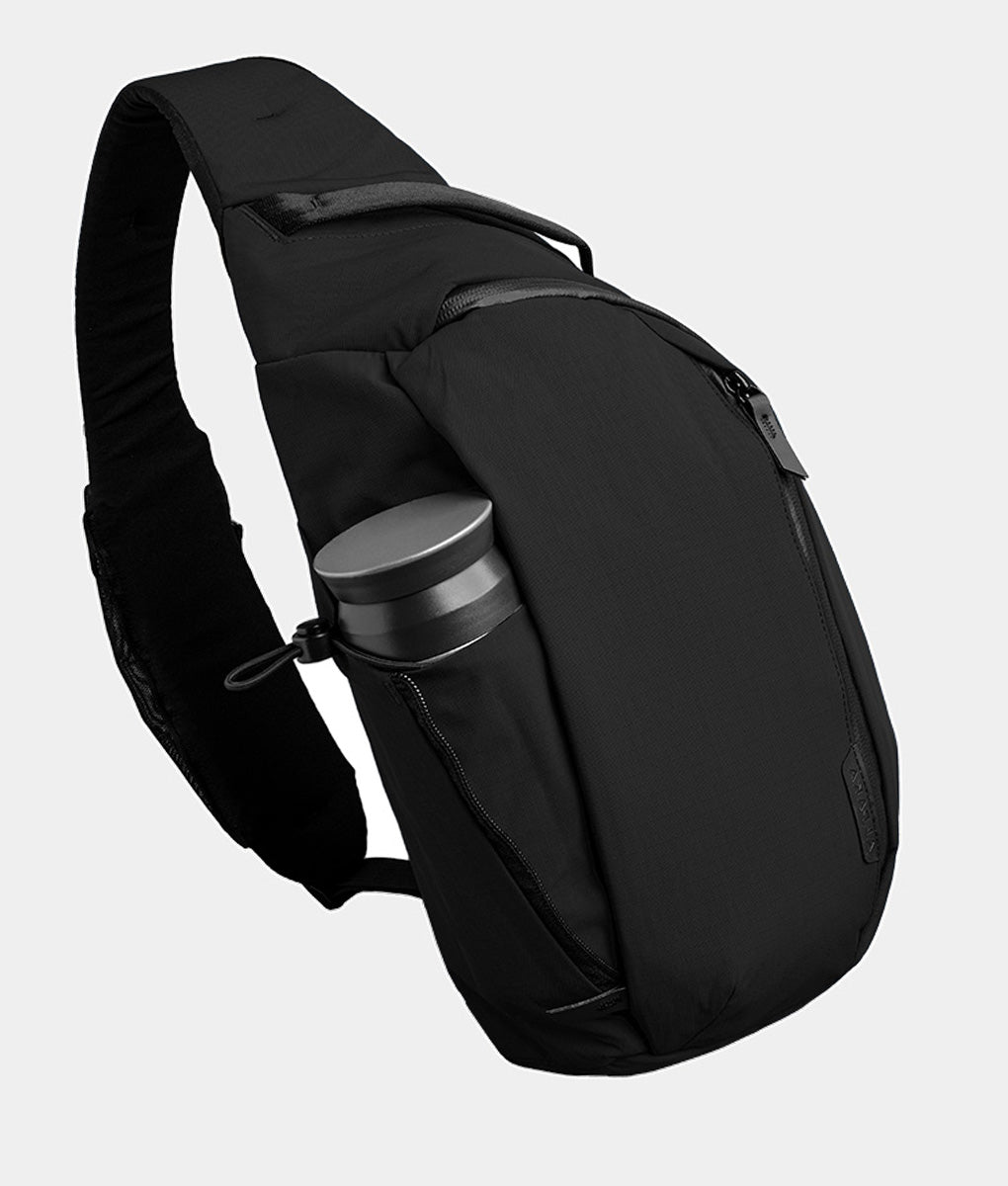
ALPAKA's Axoflux fabric is a concrete example of what this looks like in practice: 100% recycled construction with a completely PFAS-free finish. Our materials guide breaks down the technical details for our fabric families, all of which avoid PFAS. Our Ultradyne™ fabric takes a different approach to water resistance, making it naturally water-resistant rather than relying on chemical coatings. You can read the full breakdown in the Ultradyne™ deep dive.
Consider Manufacturing
Carbon-neutral products are not just about the finished item. They reflect the energy and processes behind it. X-Pac®, one of the technical fabrics we use, is manufactured by Dimension-Polyant in climate-friendly production facilities. That is a verifiable claim you can check, not a vague promise.
Prioritize Longevity
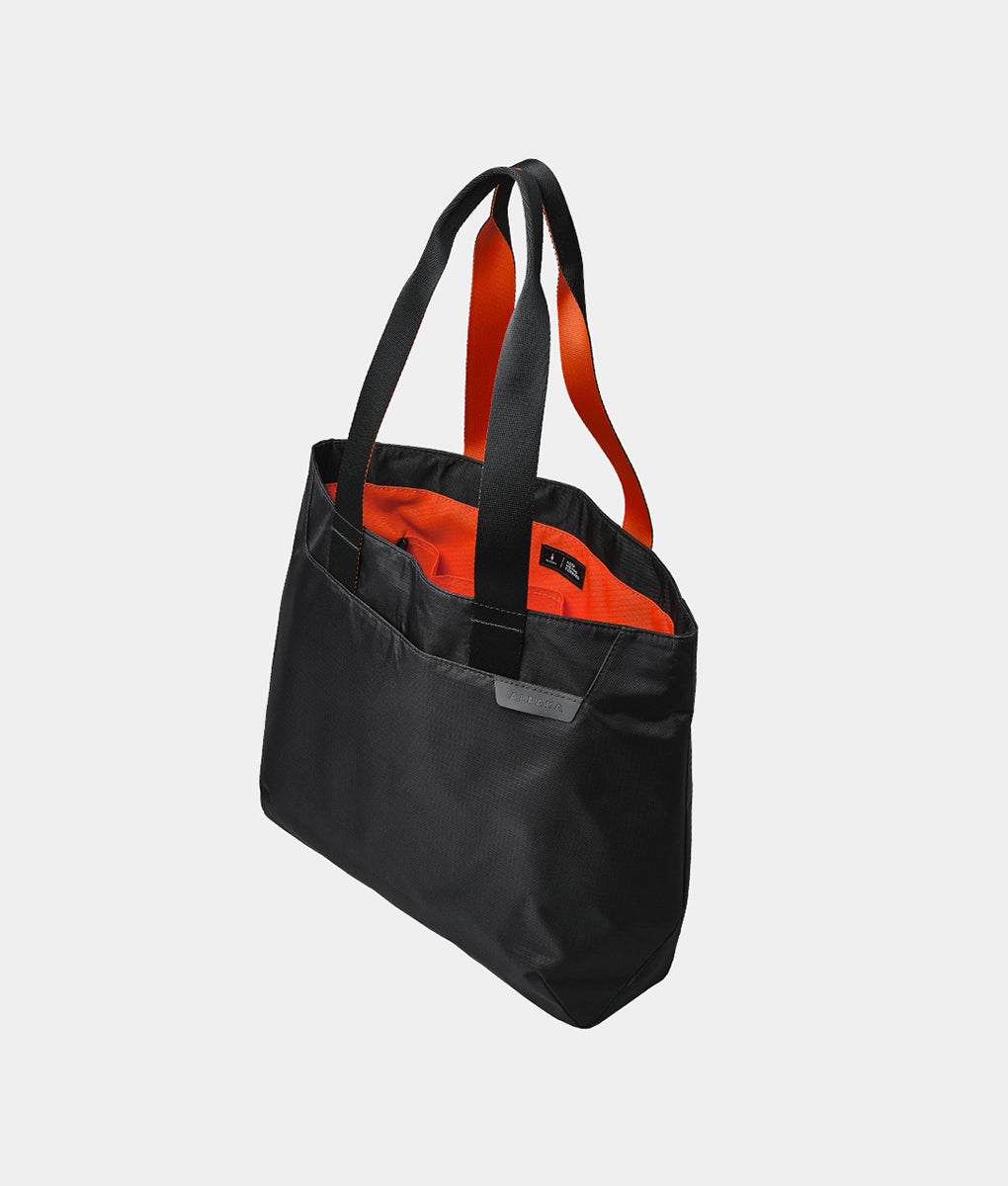
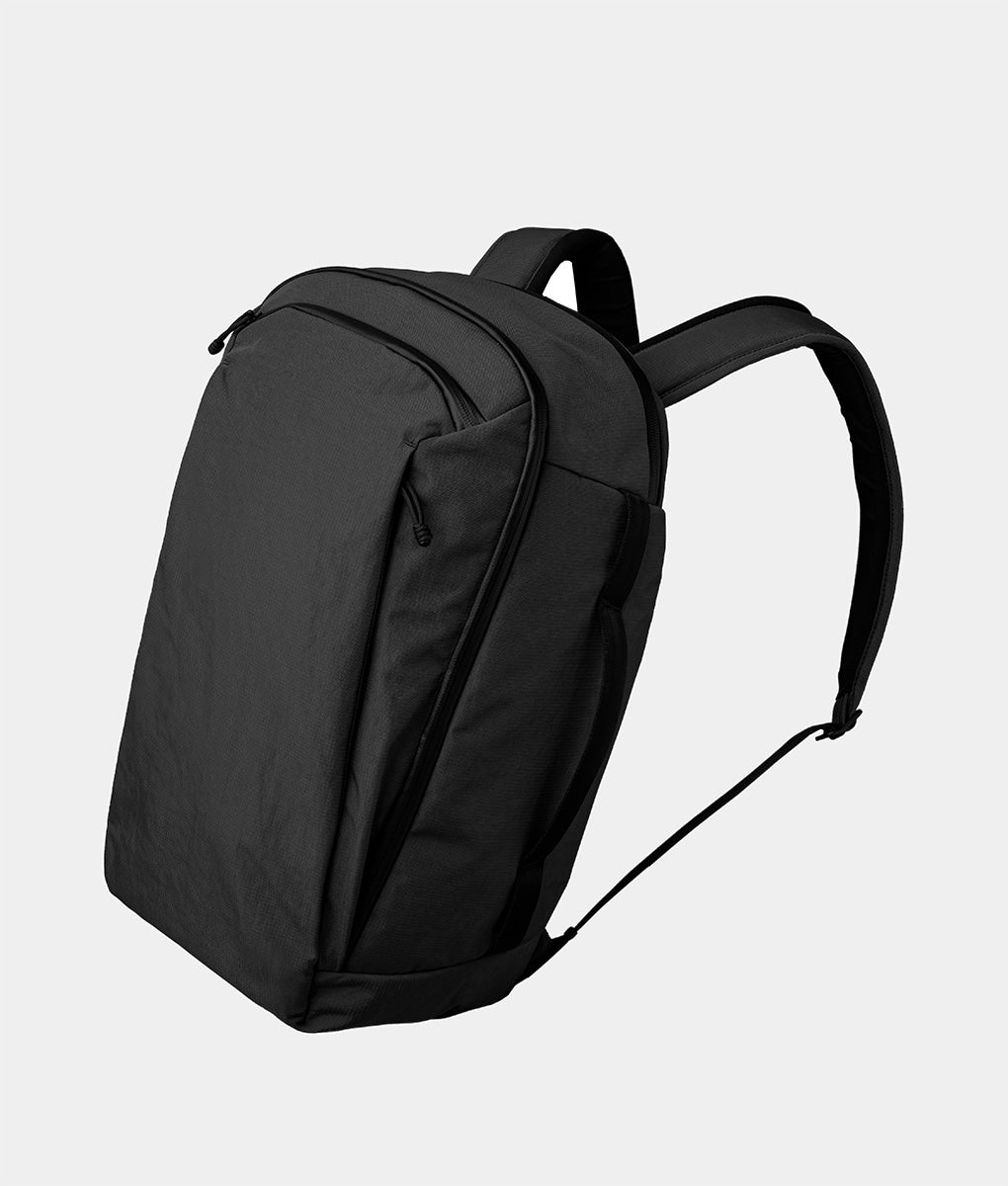
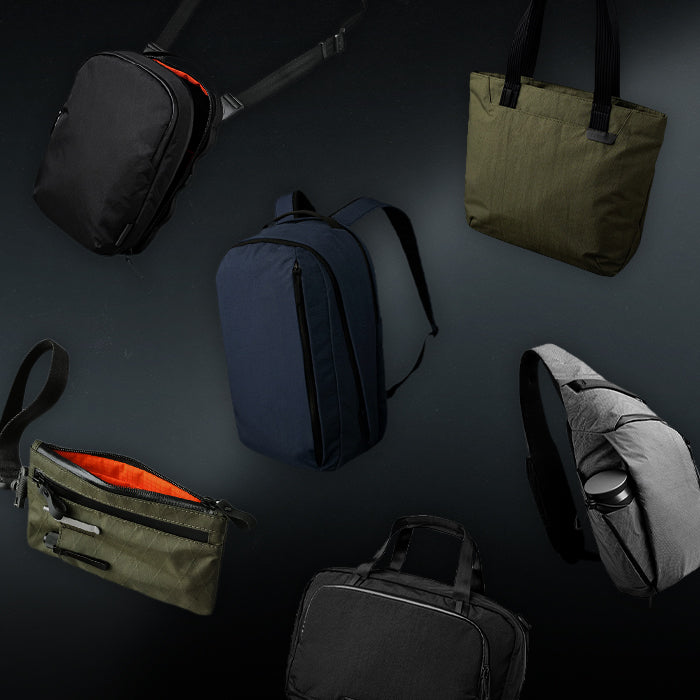
Durable bags that last five or ten years replace two, three, or four cheaper alternatives that would have ended up in a landfill. The "buy less, buy better" philosophy is not about spending more per item. It is about spending less over time while generating less waste. And when that product does eventually reach the end of its life with you, its quality means it can be resold, handed down, or repurposed rather than discarded.
Are Recycled Materials Actually Better for the Environment?
Yes, with caveats. Recycled polyester and recycled nylon divert waste from landfills and oceans. Research from the Textile Exchange has shown that recycled polyester requires significantly less energy to produce than virgin polyester, with measurably lower carbon emissions.
The caveat is that recycled content alone does not make a product sustainable if it is still treated with harmful chemicals or designed to be disposable. The combination that matters is recycled materials, clean chemistry (PFAS-free finishes, C0 waterproof membranes), and durable construction. That combination means the environmental benefit of recycled inputs is not canceled out by a short product lifespan or toxic treatment processes.cap
What Does PFAS-Free Mean?
PFAS (per- and polyfluoroalkyl substances) are a group of harmful synthetic chemicals used in water-resistant and stain-resistant coatings across industries, from cookware to outdoor gear. They are called "forever chemicals" because they do not break down in the environment or the human body.
PFAS-free means a product achieves its performance characteristics without relying on these persistent chemicals. In textiles, this typically means using alternative DWR (durable water repellent) treatments, C0 membranes, or engineering water resistance into the fiber structure itself rather than applying a chemical coating.
The shift toward PFAS-free products is driven by growing regulatory pressure and consumer awareness. The EU is advancing restrictions on PFAS use, and several US states have already enacted bans on PFAS in consumer products.
For consumers looking to reduce their eco footprint, choosing PFAS-free is one of the more actionable steps you can take, because it addresses both personal health exposure and broader environmental contamination.
Simple Ways to Lower Your Carbon Footprint Daily
The challenge with most sustainability advice is that it reads like a checklist disconnected from daily reality. The approach that works is building sustainable defaults into routines you already have rather than adding new obligations.
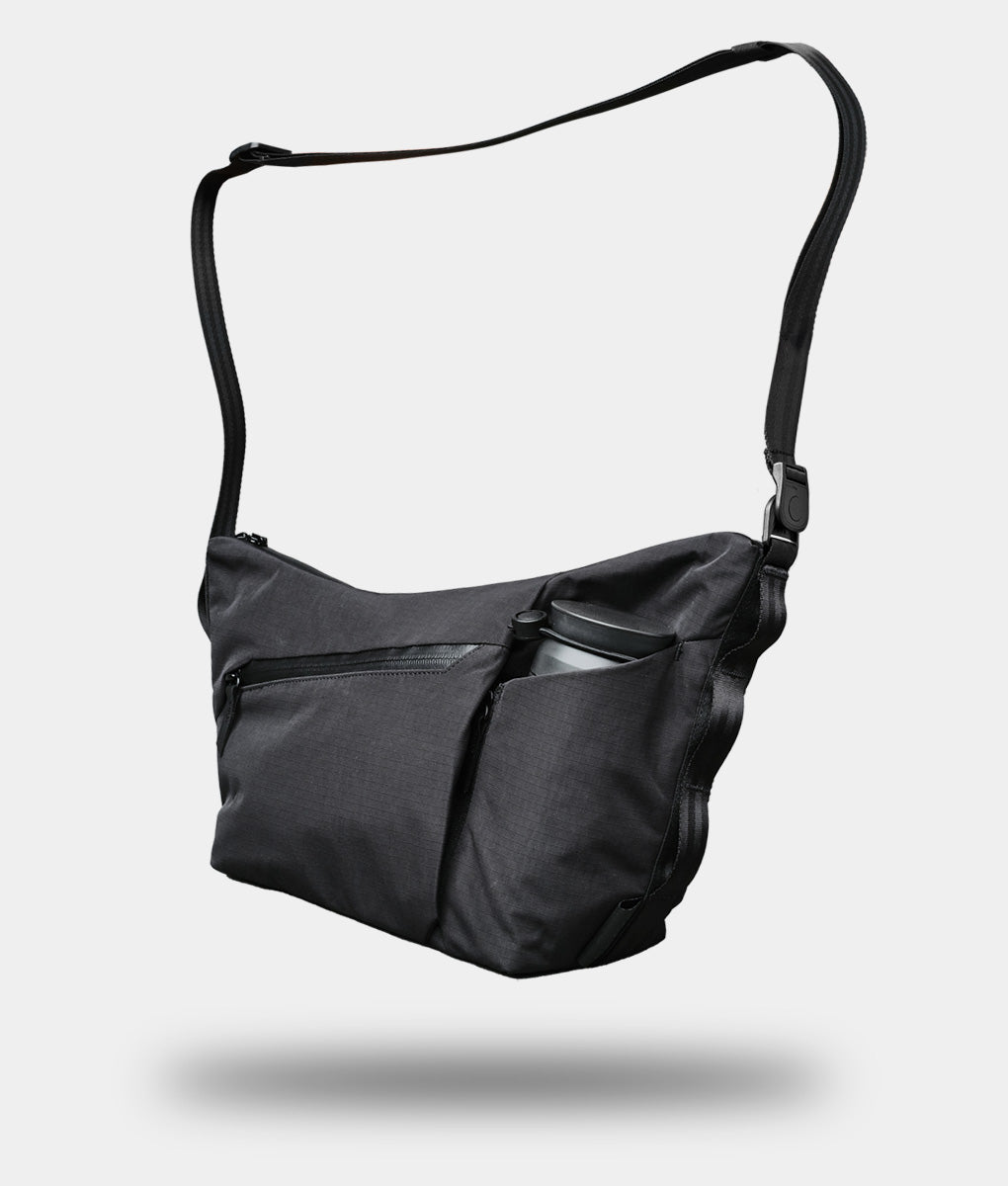
Start with the everyday carry: a reusable water bottle, a durable bag that replaces single-use plastic bags, items you repair before replacing and resell instead of discarding. These are small shifts, but they compound. Beyond personal habits, energy use is the largest lever for most households. Switching to renewable providers where available, improving insulation, and being intentional about heating and cooling make measurable differences.
The US Department of Energy recommends proper insulation and air sealing as one of the most cost-effective ways to reduce household energy use and emissions. After energy, transportation and food choices round out the picture: choosing public transit or cycling where practical, reducing food waste, and shifting even partially toward plant-based meals.
You do not need to do all of this at once. Pick one area, build the habit, and expand from there. Sustainability is not a destination you arrive at. It is a direction you keep moving in, one better decision at a time.