


Backpacks That Survive All Four Years of College
Built to Outlast a Four-Year Degree
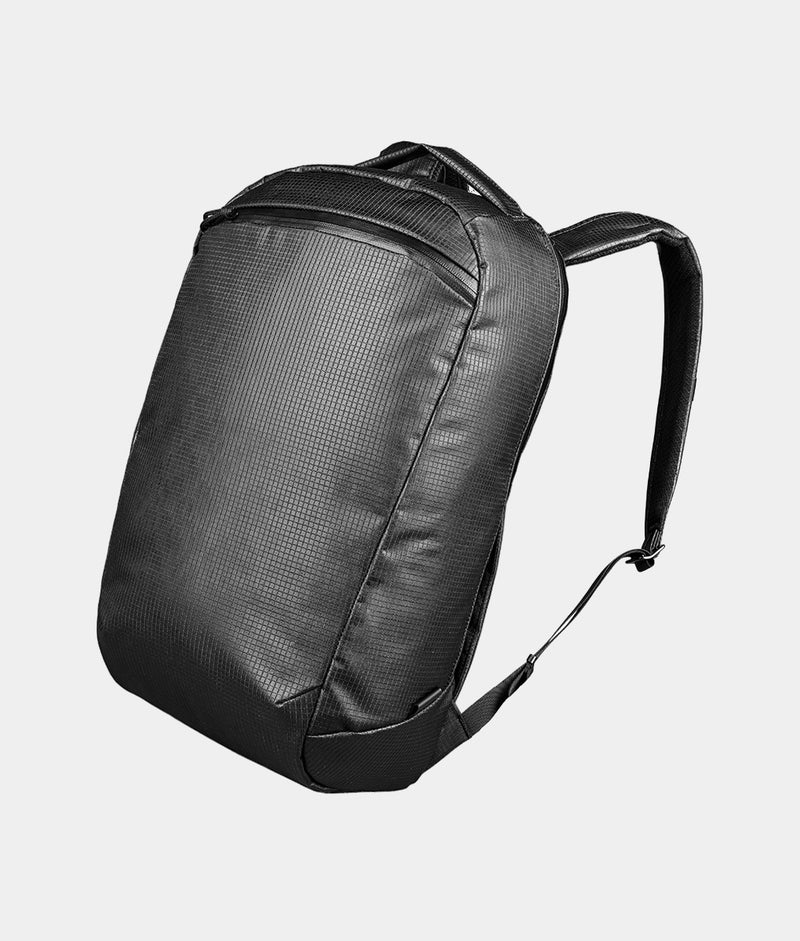
What Actually Makes a Backpack Durable
Durability isn't just a marketing word. It comes down to fabric weight and weave, how the seams are reinforced, and whether the zippers are built to survive thousands of open-and-close cycles. A backpack in a heavier-denier fabric like Axoflux 600D or a composite like X-Pac will hold its shape and resist abrasion long after a basic polyester bag has started fraying at the corners.
Signs a Backpack Is Built to Last
A few things to check before committing to a bag for the next four years:
-
→
Fabric weight and weave
Higher denier numbers (400D, 600D) generally mean thicker, tougher fabric. Ripstop weaves also resist small tears from spreading.
-
→
Reinforced stress points
Corners, strap attachments, and zipper pulls take the most abuse. Bar-tacked stitching at these points is a sign the bag was built for repeated use.
-
→
Weatherproof, not just water-resistant
A fully weatherproof fabric or coating keeps a bag from soaking through in a real downpour, not just a light drizzle.
-
→
Zipper quality
YKK zippers with sealed or reversed coil construction hold up to years of daily use far better than off-brand alternatives.
-
→
A lighter build isn't automatically less durable
Some newer composite fabrics, like ALPAKA's Axodyne, cut weight without sacrificing abrasion resistance, so lightweight and durable aren't mutually exclusive anymore.
Shop Our Bestsellers